From First Light to Last Glow in a Shared EV
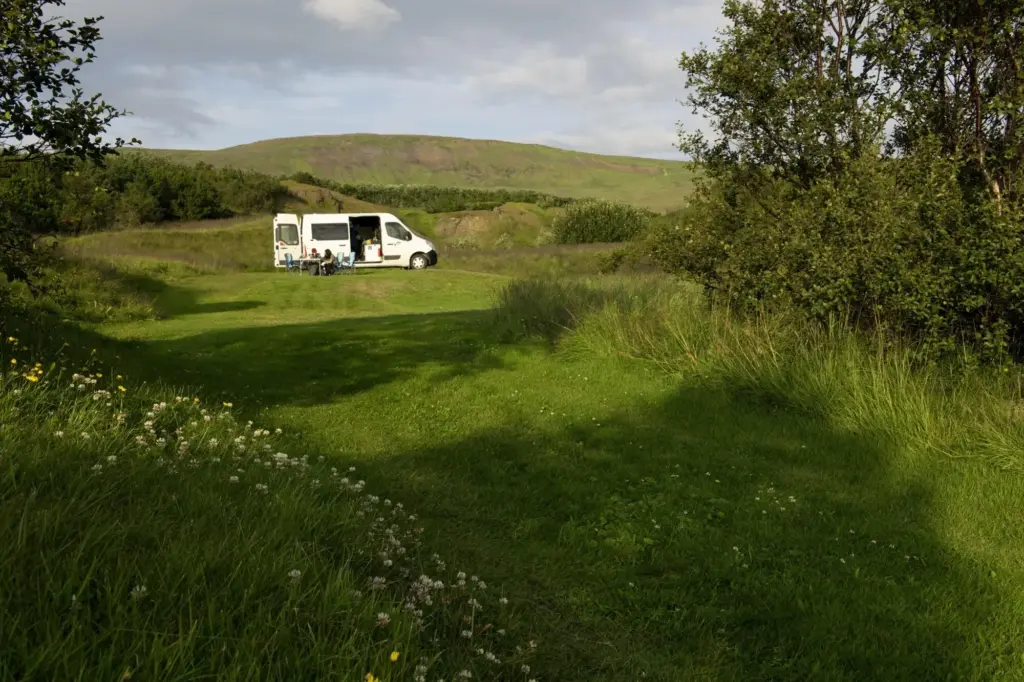
Today we explore photography‑focused short journeys in car‑share EVs, crafting sunrise‑to‑sunset routes that turn a single day into a complete visual story. Expect quiet approaches for wildlife, nimble stops for changing light, mindful charging woven into scenic breaks, and practical field habits that help you move lightly while creating images with soul. Use these ideas to plan, shoot, and share an unforgettable day, then tell us how your battery, map, and creative vision aligned.

Blueprint for a Day of Light

Silent Arrivals for Wildlife Moments
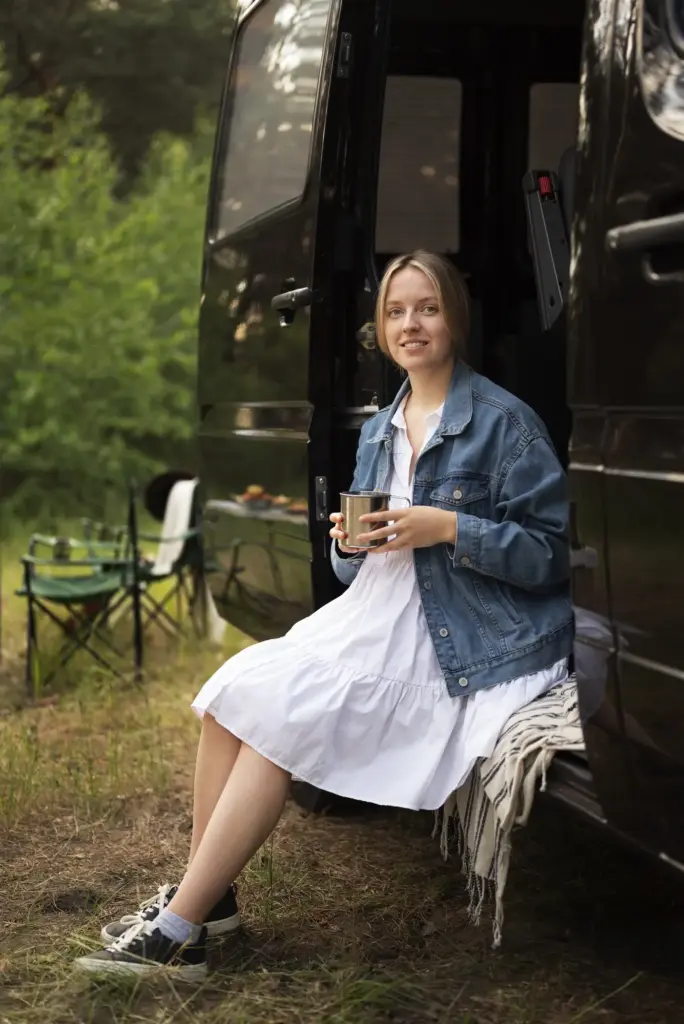
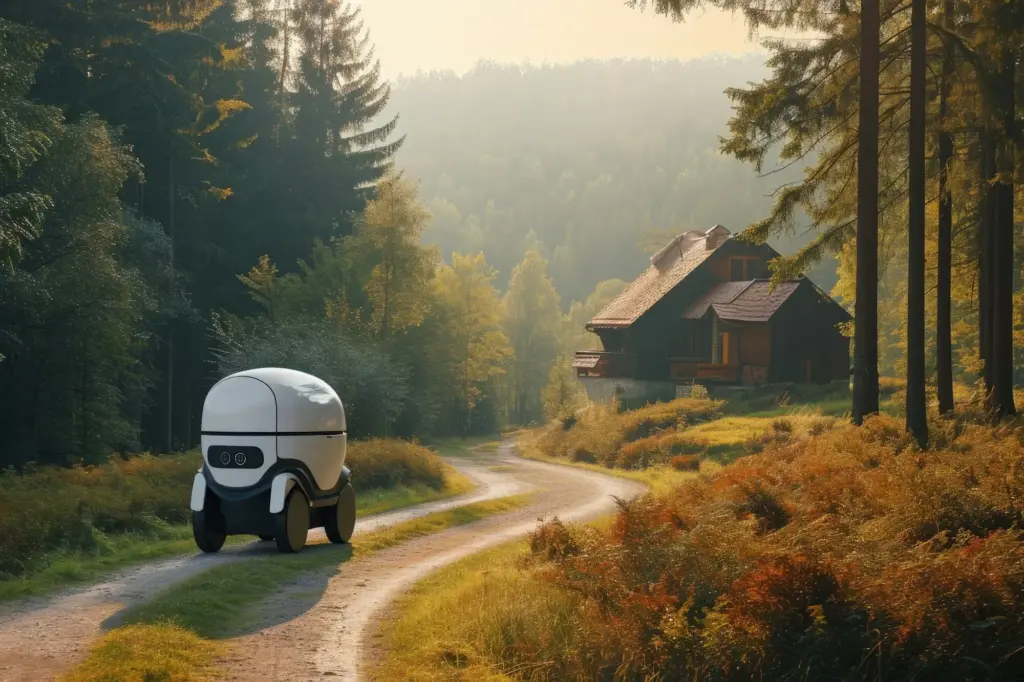
That nearly silent roll‑in can preserve a fleeting moment: a heron hunting at the marsh edge or deer stepping into rim light. Park slightly farther back, remain in the car while assessing wind direction, then ease doors open and minimize sudden silhouettes. Use longer lenses and stabilize on the window frame or beanbag. If the scene dissolves, you’ve still avoided disturbance, preserving the spot for the next photographer. Share respectful distance tips you’ve learned, especially for nesting seasons and sensitive habitats near roadways.

One‑Pedal Driving, Rock‑Solid Frames

Regenerative braking teaches smoother deceleration, which protects delicate gimbals and stabilized lenses. Practice timing your roll to stop exactly where your pre‑visualized composition lines up, keeping tires straight for quick departure. On steep grades, the regen can extend range and reduce brake fade, meaning calmer minds and steadier hands. Pair this with anti‑shake settings or a small monopod. If you’ve filmed from the passenger seat, describe your safety setup and stabilization workflow so readers can learn without compromising road awareness.

Cabin as a Rolling Workspace

Treat the car as a mobile darkroom and creative bay. Lay out a microfiber towel across the back seat as a clean stage for lens changes, use door pockets for filters, and keep silica gel packs handy during damp mornings. Ventilate briefly to clear condensation before mounting glass. With pre‑mapped charger stops, you can import, cull, and rate while topping up, adding voice memos about sky color, wind direction, and subject behavior. Share a photo of your tidy cabin layout to inspire fellow travelers.

Narratives in Miles and Light

A one‑day circuit can read like a short film. Establish place before dawn, build character with textures and hands‑on details, lean into midday obstacles, then resolve with quiet color as night approaches. Sequence wide to tight, color to monochrome, motion to stillness. Let road lines, reflections, and shadows function as transitions between scenes. When surprises appear—a pop‑up market, fog bank, or street musician—reframe the storyline rather than fighting chance. Post your preferred shot order below; we’ll feature inventive sequences in future updates.

A One‑Day Circuit to Remember

First Light Over the Reservoir

Arrive while stars still hang low, giving yourself time to breathe and listen. Use a wide lens to embrace shoreline curves and faint pre‑dawn gradients, then switch to a fast prime for intimate reeds catching the first sliver of color. If mist rises, backlight it and expose carefully to preserve delicate tones. Keep the car close for quick lens swaps and warmth. When the sun crests, snag one clean reflection before the breeze picks up. Post a frame to our comments so others can compare readings.

Midday Echoes at the Market District

Park near the charger behind the market, start a moderate top‑up, and explore textures while the battery climbs. Seek awnings, crates, typography, and candid gestures. Manage harsh light with open shade, negative fill from dark doorways, or bold shadows forming graphic patterns. Grab a simple sandwich and water, then review your morning selects on a bench. Jot notes about color palettes you’ll echo at sunset. If a vendor permits portraits, offer a quick image later. Share a before‑and‑after edit to help others approach midday contrast.

Sunset Ridge, Then Blue‑Hour Glow

Climb to a turnout facing the returning weather. Test exposures for a sunstar at f/16, then relax into longer lenses as the valley drinks warm light. When the sun slips, don’t pack too soon; streetlamps fire, windows glitter, and clouds hold electric blues. Stabilize the camera on the guardrail with a strap for safety, and meter carefully to avoid blown highlights. Note your charger back on the valley floor, and aim to arrive with a generous buffer. Share your final frame and EXIF so readers can learn.

Culling Fast Without Losing Heart

Set a timer for focused sprints during charging stops: first pass for sharpness and intent, second for emotional pull. Star just enough frames to tell the arc, trusting that clarity beats abundance. Use voice memos to capture details you’ll forget—birdsong, chili smoke, fog scent—so captions feel lived‑in. If indecision bites, park an image in a temporary collection and move on. In comments, show two contenders for a cover image and ask the community which better introduces your day’s unfolding light and motion.

Color Harmony Across Changing Light

Sunrise warmth, midday neutrality, and twilight blues can fight each other unless you guide them. Develop a reference image for each phase, then gently match skin tones, foliage greens, and roadway grays using HSL and curves. Avoid crushing subtle transitions; let atmosphere breathe. Use localized white balance and gradients to protect faces and clouds. Calibrate your display, and consider soft proofing for print. Drop a link to your favorite LUT or share custom settings, explaining how they preserve realism while sustaining emotional continuity across scenes.

Sharing Responsibly, Inviting Conversation

When posting, credit communities and artisans encountered, and avoid geotagging fragile spots that cannot handle crowds. Add accessibility notes—parking surfaces, restroom availability, gradient steepness—so more photographers can participate safely. Invite questions about range, budget, and timing, then respond generously. Encourage respectful critique by stating what feedback you seek: color balance, sequencing, or narrative clarity. Use alt text that conveys mood, texture, and direction of light. Include your route summary and charger reliability impressions to benefit others planning similar days with shared electric mobility.

Travel Light on the Land

Car‑share EVs already shrink noise and emissions, but choices on the ground matter just as much. Favor existing pullouts, avoid trampling vegetation, and pay for local goods where you stop. Keep idling minimal during sensitive hours and never block chargers when the session ends. Respect opening times, neighborhood privacy, and workers moving freight. Carry a small trash bag, refillable bottle, and reusable cup. After your trip, calculate efficiency and note improvements. Share your stewardship pledge below, and inspire others to photograph beautifully while treading carefully.

Leave No Trace, Even at Pullouts

Pullouts feel rugged, yet tiny actions compound quickly. Step only on durable surfaces, keep gear inside the guardrail line, and avoid rock stacks that mislead hikers or disturb lizards. Pack out snack wrappers and spent wipes. Use biodegradable cleaners for lens cloths when possible. If you find litter, remove a little more than you brought. Photograph from safe distances, especially around nest sites or den entrances. Post a before‑and‑after cleanup photo to encourage the next traveler, proving responsible fieldcraft coexists with compelling, award‑worthy frames.

Kindness at Chargers and Communities

Good etiquette keeps journeys stress‑free. Move your car as soon as charging ends, coil cables neatly, and greet the next driver. In small towns, spend money locally and ask permission before photographing identifiable workers or storefronts. Share a portable courtesy note with your contact information if you must step away briefly. Translate a few phrases when visiting multilingual neighborhoods. If a charger is down, report it through the app so others benefit. Tell us which stations felt especially welcoming, and we’ll map them for future readers.

Measure, Reflect, Improve

After each loop, review what worked: range versus terrain, charger reliability, time lost to crowds, lenses actually used, and how weather shifted mood. Track efficiency across temperatures and wind, then adapt packing and pacing. Replace heavy redundancies with versatile tools, and refine your story arcs to match daylight windows. Archive notes where you can search them later. Share your lessons below, inspiring newcomers to skip beginner snags. Return next week for fresh route inspiration, and subscribe to join photo critiques featuring real reader journeys and fixes.

Pentovirovanidexokavi
Privacy Overview

This website uses cookies so that we can provide you with the best user experience possible. Cookie information is stored in your browser and performs functions such as recognising you when you return to our website and helping our team to understand which sections of the website you find most interesting and useful.